Frequently Asked Questions
How to lace hockey skates to avoid lace bite?
To avoid lace bite when lacing hockey skates, lace the skates loosely at the top of the ankle and tighten the laces below the ankle to provide a snug fit without constricting the foot.
How to lace hockey skates?
Lacing hockey skates involves threading the laces through the eyelets in a specific pattern to ensure a secure and comfortable fit. Start at the bottom and work up, keeping the laces evenly tensioned.
How to lace hockey skates properly?
Properly lacing hockey skates involves threading the laces through the eyelets, starting from the bottom and working up, ensuring a snug and even fit across the foot and ankle to provide support and control.
How to lace up hockey skates?
Properly lacing up hockey skates involves threading the laces through the eyelets from bottom to top, ensuring an even, snug fit around the foot and ankle for optimal support and control on the ice.
What size hockey laces do I need?
The appropriate size of hockey laces required depends on the specific hockey skate model and personal preference, typically ranging from 72 to 96 inches in length.
What length hockey laces do I need?
The appropriate length of hockey laces depends on the size of your skates and personal preference, typically ranging from 72 to 96 inches for adult hockey skates.
What techniques minimize lace bite in skates?
Techniques to minimize lace bite in skates include loosening the laces slightly, using a lace lock or lace holder, and ensuring the laces are not too tight around the ankles.
Whats the best method to lace skates?
The best method to lace skates is to criss-cross the laces across the foot, ensuring a snug yet comfortable fit, and tying them securely at the top to provide adequate support and control while skating.
How can I prevent lace bite while skating?
To prevent lace bite while skating, ensure your skates are properly laced and tightened, and use padding or tongue protectors to cushion the area where the laces cross over your foot.
Which lacing pattern works best for comfort?
The lacing pattern that works best for comfort is the straight or criss-cross lacing technique, as it evenly distributes pressure across the foot and provides a snug, supportive fit without restricting circulation.
What lace type is recommended for hockey skates?
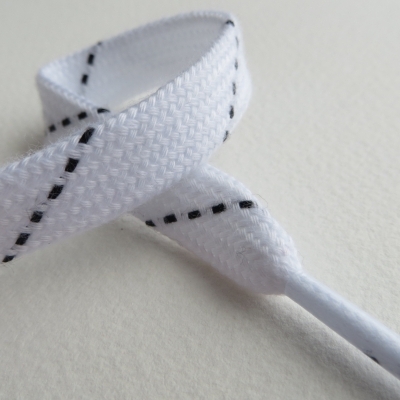
The recommended lace type for hockey skates is a classic hockey lace. These finely braided, 3/8" wide single stripe laces made from spun polyester are durable and provide a secure fit for hockey skates.
How do I choose hockey lace length?
When choosing hockey lace length, consider the size of your skates and the desired fit. Our Classic Hockey Lace is available in various lengths to accommodate different skate sizes and personal preferences.
What factors influence the size of hockey laces?
The size of hockey laces is influenced by the specifications required for the particular sport, including the width and length needed to properly lace up hockey skates.
Can I use regular laces for hockey skates?
Using regular laces for hockey skates is not recommended, as hockey laces are specifically designed to provide a secure fit and durability needed for the demands of the sport.
What materials are used for hockey laces?
The materials used for hockey laces are typically spun polyester, which provides durability and flexibility for sports activities.
How frequently should I replace hockey laces?
The frequency of replacing hockey laces depends on the intensity of use and personal preference, but generally every 6 to 12 months is recommended to ensure optimal performance and safety.
What differences exist between skate lacing techniques?
The main differences between skate lacing techniques include the level of tightness, the pattern of lacing, and the use of specific lacing styles such as the criss-cross, straight bar, or parallel lacing methods.
Which lacing options improve skate performance?
Lacing options that can improve skate performance include using a tighter or a criss-cross lacing pattern, which helps provide better ankle support and power transfer.
What are common mistakes when lacing skates?
Common mistakes when lacing skates include tying the laces too tightly, not lacing the skates evenly, and not securing the laces properly, which can lead to discomfort, loss of ankle support, and potential injury.
How should I lace skates for ankle support?
To lace skates for optimal ankle support, begin by tightly lacing the lower hooks or eyelets, then gradually loosen the lacing as you work up towards the top of the boot, ensuring a snug yet comfortable fit around the ankle.
What impact does lace tension have on performance?
The lace tension has a direct impact on the performance of the sports equipment. Proper lace tension ensures a secure and comfortable fit, which can enhance the athlete's agility, stability, and overall athletic performance.
How can I clean my hockey laces effectively?
Cleaning hockey laces effectively involves hand-washing them with a mild detergent, rinsing thoroughly, and allowing them to air-dry. Avoid machine washing, as it can damage the laces.
What colors are available for hockey laces?
The available colors for hockey laces are white and black. Braids and Laces Limited offers their Classic Hockey Lace in both white and black options to meet the needs of sports and recreational users.
Are there specialty laces for specific positions?
Yes, there are specialty laces designed for specific sports positions. Braids and Laces Limited offers customized hockey lace lengths to meet the needs of different player positions on the ice.
What lace materials provide the best durability?
The most durable lace materials are spun polyester and nylon, as they offer superior strength and resistance to wear and tear compared to natural fibers like cotton.
How do I adjust lace tension during play?
Adjusting lace tension during play involves loosening or tightening the laces to maintain the desired level of support and comfort for the feet while engaged in sports activities.
Can lacing style affect my skating speed?
Yes, lacing style can affect skating speed. The tightness and tension of the laces can impact the fit and responsiveness of the skate, which can influence skating performance.
What lace type is best for youth players?
The best lace type for youth players is a lightweight, flexible lace that is easy to tie and provides a secure fit. The Classic Hockey Lace from Braids and Laces Limited meets these requirements, making it an ideal choice for young athletes.
What innovations exist in hockey lace design?
Innovations in hockey lace design include braided polyester laces, available in various widths and custom lengths, providing enhanced durability and customization options for sports and recreational users.
What are the benefits of using elastic laces?
The benefits of using elastic laces are improved comfort, convenience, and a customized fit for a variety of sports and activities.